If you’ve entertained yourself with successful bets at an online casino 22Bet, we have another form of amusement for you. Find out how betting in yachting and equestrian sports differs from other sports betting.
Sports betting is a popular pastime for millions of people worldwide. However, not all sports are equally suitable for forecasting and analysis. Among the less mainstream but highly intriguing betting options are yacht racing and horse racing. These two sports have unique characteristics that make their betting processes entirely different from more common sports like football, basketball, or tennis.
Unique Features of Yacht Racing
Yacht racing captivates enthusiasts with its complexity and the many factors influencing race outcomes. Here are some key distinctions:
Dependence on Weather Conditions
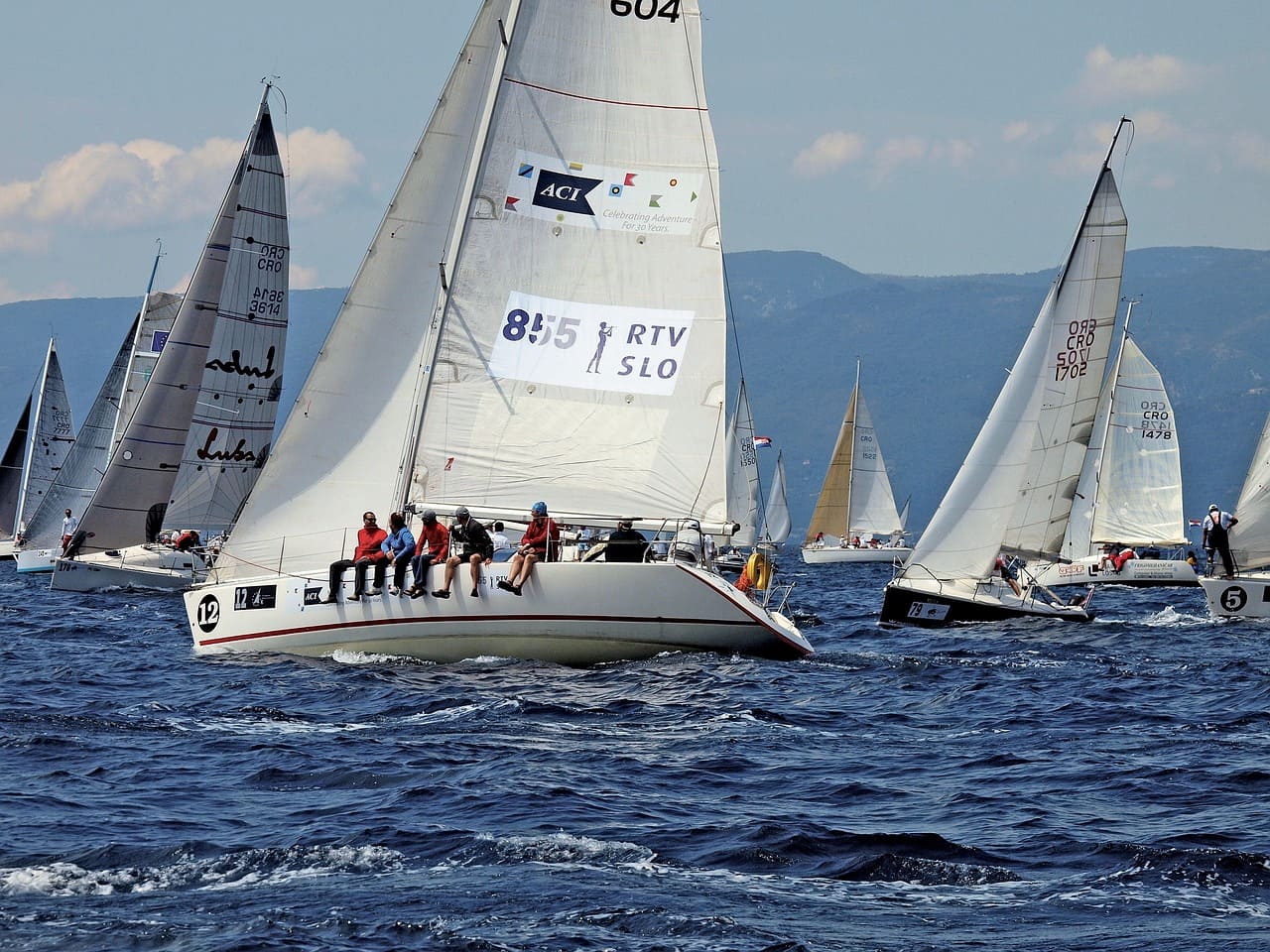
In yacht racing, weather plays a crucial role. Wind speed and direction, wave conditions, and other meteorological factors can dramatically alter the dynamics of a race. Unlike most other sports, where weather may have a minor impact, in yacht racing, it often becomes the decisive factor.
Technical Preparation of Crew and Equipment
Every crew works not only on their physical fitness but also on optimizing their equipment. Modern yachts are equipped with sophisticated technology, and even the slightest improvements in design can provide a significant edge. Analyzing these technical aspects is a critical part of successful forecasting.
Duration and Complexity of Races
Yacht races often last for hours or even days. This adds complexity to predictions, as weather changes or strategic errors can occur at any time, significantly affecting the outcome.
Unique Features of Horse Racing

Horse racing, unlike yacht racing, is more familiar to bettors but has its own distinct aspects:
Form of the Horse and Jockey
In horse racing, the physical condition of the horse and the skill of the jockey play a central role. Professionals analyze numerous factors, including the horse’s health, genetics, past performance, and synergy with a specific jockey.
Track Types and Surfaces
Horse races are conducted on tracks with varying surfaces—grass, dirt, or synthetic. Horses may perform differently depending on their preferred surface type, which adds another layer of analysis for bettors.
Short Duration of Races
Unlike yacht racing, horse races are quick, sometimes lasting only a couple of minutes. This demands rapid analysis and immediate decision-making from bettors.
Differences from Betting on Popular Sports
Compared to mainstream sports like football or tennis, yacht and horse racing stand out with the following characteristics:
Limited Data for Analysis
In sports like football or basketball, bettors have access to vast amounts of statistics—points, assists, penalties, etc. While statistics are also important in yacht and horse racing, they are less structured and harder to access.
High Level of Uncertainty
Due to numerous external factors (weather in yacht racing, the horse’s condition in horse racing), predicting outcomes is more challenging. This makes betting riskier but also more thrilling.
Specialized Knowledge
Successful betting in yacht and horse racing requires niche expertise. Bettors must understand race strategies, equipment nuances, and account for rare factors that are not significant in other sports.
Conclusion
Betting on yacht and horse racing offers a unique experience, requiring players to deeply delve into the specific details of each sport. These activities stand out for their complexity, high levels of uncertainty, and the need to consider numerous external factors. For those willing to study and analyze these nuances, such bets can become not only an exciting pastime but also an opportunity to feel like a true expert in a niche sport.
Leave a Reply